
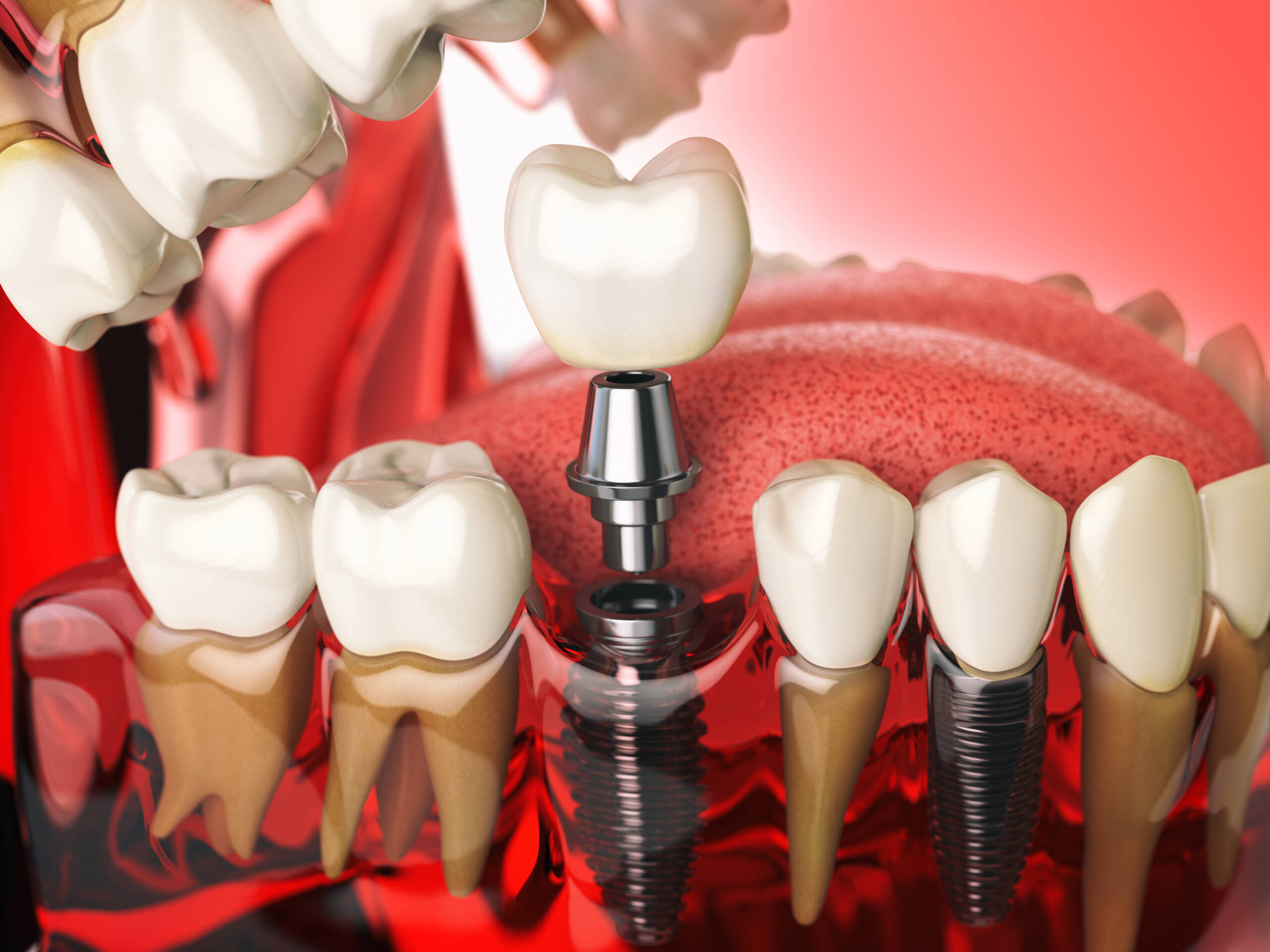
In Dubai, dental implant techniques have advanced significantly, offering patients reliable and natural-looking solutions for missing teeth. Using modern, minimally invasive procedures, implants are securely anchored to the jawbone, providing stability similar to natural teeth. Clinics utilize 3D imaging and digital planning for precise implant placement, reducing recovery time and enhancing comfort. Options include single-tooth implants, multiple implants, and even full-arch restorations. With high-quality materials and expert care, Dubai’s dental implant specialists ensure lasting results and a smile you can trust. Restore your confidence with cutting-edge implant technology tailored to your unique needs.
1. Endosteal Implants
Endosteal implants are the most common type and involve placing titanium screws directly into the jawbone to serve as artificial roots. After a healing period, where the bone fuses around the implant (a process called osseointegration), a crown is attached to the implant post, creating a stable, natural-looking tooth replacement. This technique is ideal for patients with sufficient bone density and is known for its long-term durability.
2. Subperiosteal Implants
Subperiosteal implants are used when there isn’t enough natural bone for traditional implants and bone grafting isn’t an option. Instead of placing the implant within the bone, a metal framework is positioned under the gum but above the jawbone. As the gums heal, the frame becomes fixed, and posts attached to the frame support the artificial teeth. This method provides a solid solution for those with bone loss who want a secure fit without extensive bone reconstruction.
Both techniques offer unique advantages, allowing patients to regain functionality and aesthetics in their smile.
Benefits of Dental Implants
- Natural Look and Feel: Implants are designed to blend seamlessly with the surrounding teeth, providing a realistic appearance and feel.
- Longevity and Durability: Made from biocompatible materials, like titanium, implants can last a lifetime with proper care, making them a long-term investment in oral health.
- Bone Preservation: Implants stimulate the jawbone just like natural tooth roots, preventing bone loss and preserving facial structure.
- Improved Oral Function: Unlike dentures, implants don’t shift and allow patients to chew and speak with ease and confidence.
Types of Dental Implants
- Single-Tooth Implants: For individuals missing a single tooth, a single titanium post and crown can replace it without affecting neighboring teeth.
- Implant-Supported Bridges: When multiple teeth are missing in a row, an implant bridge supported by two or more implants provides a stable solution without requiring individual implants for each missing tooth.
- All-on-4® or All-on-6® Implants: This technique uses 4 or 6 strategically placed implants to support a full arch of teeth, a popular choice for patients who have lost most or all of their teeth.
- Mini Dental Implants: Smaller in size, these implants are used when there is limited bone or space. They are less invasive, offer faster healing, and are ideal for stabilizing lower dentures.
The Dental Implant Procedure
The implant procedure typically takes place over multiple stages and can last a few months to ensure proper healing and integration:
- Initial Consultation and Imaging: X-rays, CT scans, or 3D imaging are used to assess bone density and design a personalized treatment plan.
- Implant Placement: During a minor surgical procedure, the implant is placed into the jawbone. Healing time varies, allowing for osseointegration (bone fusion) with the implant.
- Abutment and Crown Placement: Once fully healed, an abutment is attached to the implant, acting as a connector to the custom-made crown, bridge, or denture.
Recent Advancements in Implant Technology
- 3D Imaging and Computer-Guided Surgery: High-resolution 3D imaging ensures precise implant placement, minimizing discomfort and recovery time.
- Zirconia Implants: For patients allergic to metals or who prefer metal-free options, zirconia implants offer a strong, biocompatible alternative.
- Immediate Load Implants: Also known as “same-day implants,” these allow for a temporary crown or bridge to be placed immediately after implant placement, reducing the waiting period.
- Platelet-Rich Plasma (PRP) Therapy: Some clinics use PRP therapy to speed up healing, applying the patient’s own blood plasma to promote tissue regeneration around the implant site.